

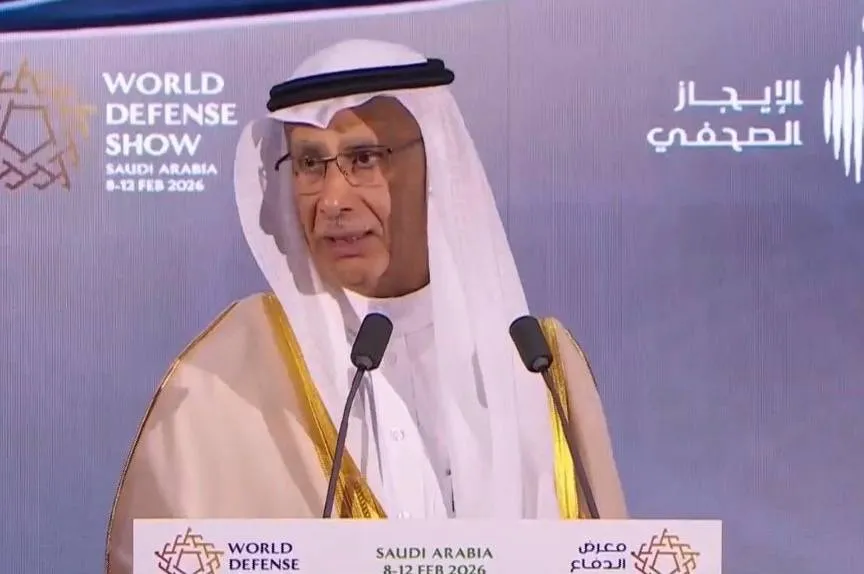
Philippe Lazzarini, head of the United Nations Relief and Works Agency for Palestine Refugees in the Near East, said as he prepared to leave his post next month that UNRWA’s future could not remain “indefinitely hostage” to the absence of a political solution.
In a wide-ranging interview with Asharq al-Awsat, Lazzarini called for gradual changes in the way services are delivered, ultimately allowing Palestinian institutions to build capacity to take over.
At the same time, he warned that abandoning Gaza’s nearly 2 million people, half of them children, to trauma and despair risks sowing the seeds of anger for a new generation.
Strong support from Saudi Arabia
Mr. Lazzarini said the cooperation between UNRWA and Saudi Arabia was “strong” both financially and politically.
He said Riyadh is deeply involved in the political process and is working with the EU under the umbrella of the Global Alliance for the Implementation of the Two-State Solution, and UNRWA has been invited to be part of broader discussions.
For Lazzarini, sustainable access to essential services must be based on a clear political framework. Saudi Arabia and other partners in the alliance helped provide that framework and expressed firm political support for the agency during what he described as a difficult period.
He said he was impressed by the level of Saudi political engagement and the work being done within the alliance. He said inviting humanitarian and development agencies like UNRWA to discussions about the future of Palestinian institutions reflected the seriousness of that partnership.
Financial constraints and the “silent war”
UNRWA is also grappling with a chronic funding crisis. After a year of austerity, Lazzarini said a few weeks ago the country was forced to cut services, including health and education, by about 20%, directly impacting beneficiaries.
Beyond Gaza, he warned of what he called a “silent war” in the occupied West Bank overshadowing events in the enclave.
Developments over the past two years “have brought us closer to de facto annexation of the occupied West Bank,” he said. Settlement expansion accelerated. Settler violence is increasing with “little accountability.” Large-scale security operations, particularly in Jenin and Turkum, emptied camps and displaced large numbers of residents.
Gaza crossed the brink
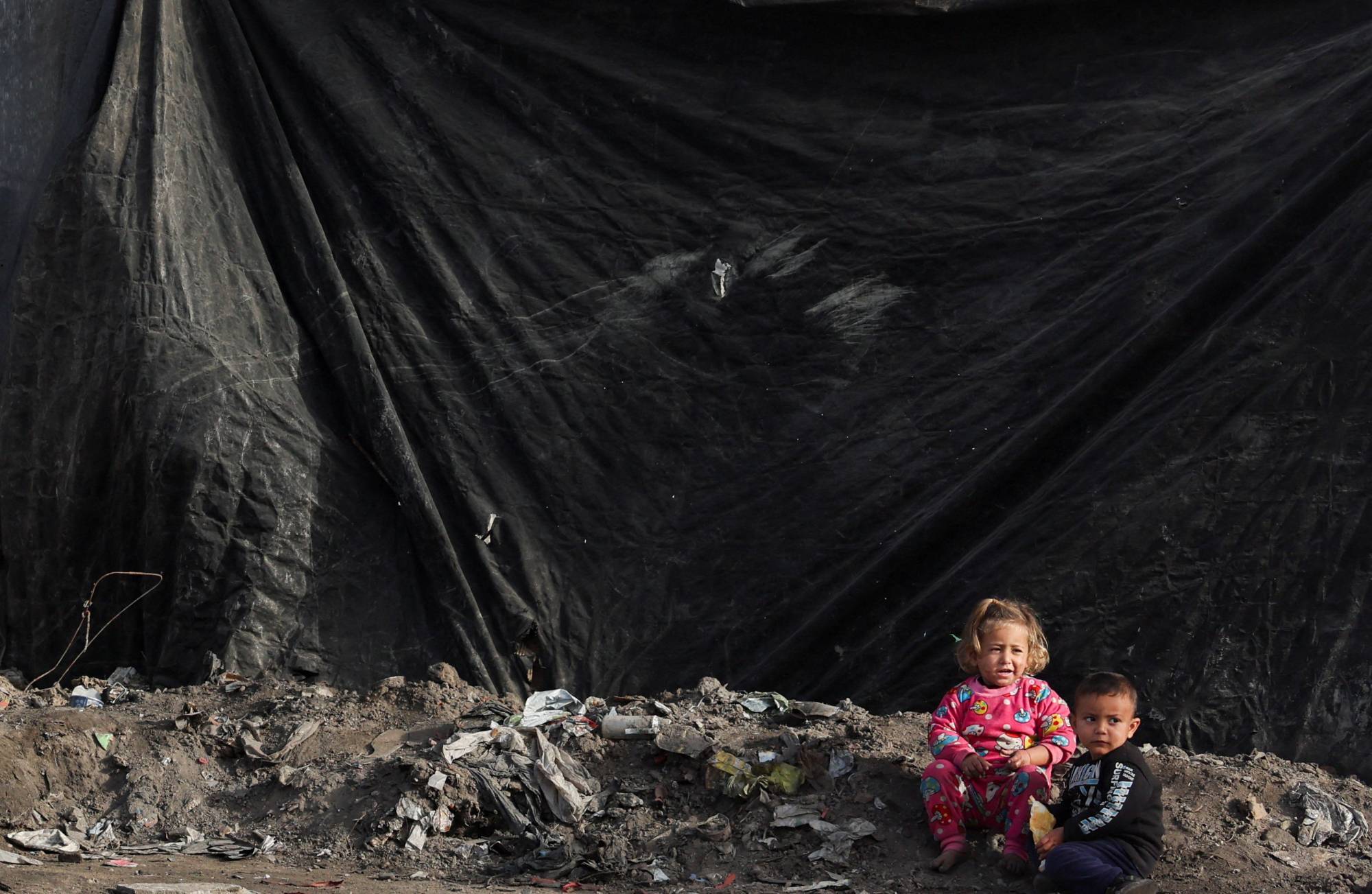
What happened in Gaza was “inexplicable,” Lazzarini said. The suffering is “unbearable,” he added.
After more than two years of relentless war, Gaza, once an open-air prison, has become a place where atrocities are committed almost 24 hours a day, right in front of people around the world.
He said between 80% and 90% of the territory had been destroyed, leaving behind a “post-catastrophe” environment. Populations are constantly on the move. According to estimates, more than 70,000 people died, not including those still buried under the rubble.
He explained that systematic hunger, caused by political decisions and efforts to make life in the enclaves unsustainable, is driving residents to leave.
More than 380 UNRWA personnel were killed, he said. Some were detained and tortured. Government facilities were damaged. He added that violations of international law rarely go unpunished, further deepening what he called a climate of impunity.
Political targets and pressure
Mr Lazzarini said he had faced “political and diplomatic targets” during his tenure, but that these were tied to his job and UNRWA’s representation, rather than to him personally.
After his first visit to Gaza, he was declared persona non grata, banned from returning, and instructed not to get involved.
He said the target was not personal, but aimed at UNRWA’s functions and symbolism. He noted that some Israeli officials have openly stated that their aim is to end the role of Israeli authorities, viewing the refugee problem as perpetuating it.
UNRWA’s 75-year existence does not explain the problem, he argued. Rather, it reflects the international community’s failure to reach a just and durable political solution.
Two-state solution
Lazzarini reaffirmed that the two-state path remains the “fundamental option” but warned that developments in Gaza and the West Bank are pushing serious political horizons further out of reach.
He said the events since October 7 should have been a “wake-up call”. He stressed that this conflict cannot be left unresolved.
There are nearly 2 million people in Gaza, half of them children, living in severe trauma with no clear future. He warned that ignoring that reality would mean instilling anger in new generations and affect regional stability.
He also expressed concern that solidarity and compassion are not driving the international response as they once did. In both Gaza and Sudan, he said he felt a “huge indifference” to the vast humanitarian crisis.
However, he maintained that the core lesson is to uphold humanitarian values no matter how difficult the situation. The alternative, he warned, is a world stripped of standards and restraints and ruled by the law of the fittest rather than international law.
Rethinking UNRWA’s future
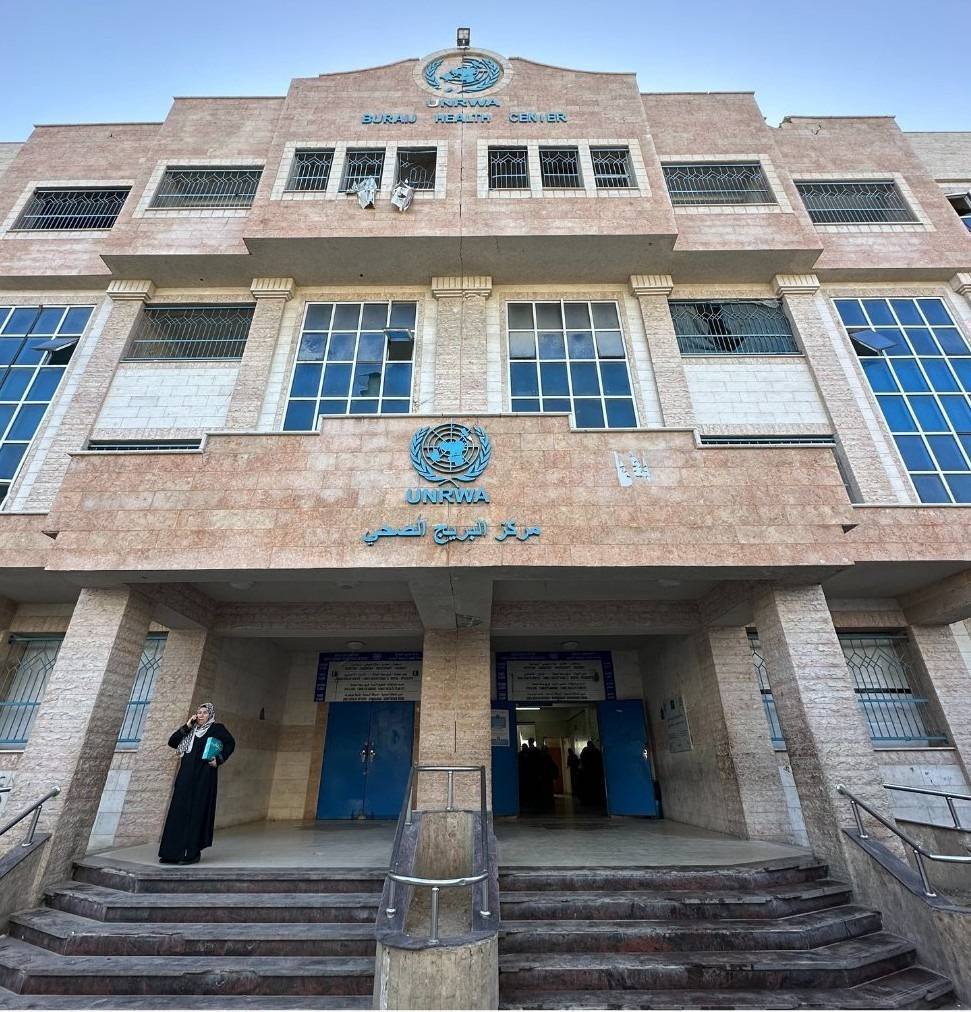
Looking to the future, Mr. Lazzarini said UNRWA cannot continue indefinitely in its current form.
He called for a gradual transition in service delivery to allow Palestinian institutions to build their capacity to take on their responsibilities over time.
The agency must remain the custodian of refugee issues until a fair solution is achieved, he said. But service delivery mechanisms should not remain frozen, waiting endlessly for political breakthroughs.
