

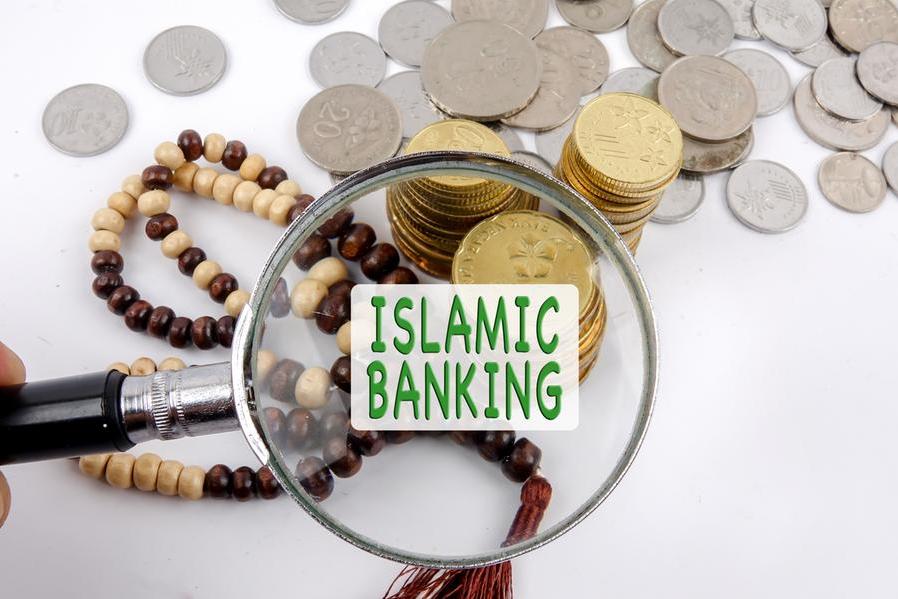
JOHANNESBURG: Benin’s Islamic bond sale is encouraging other African countries to consider sharia-compliant financing, advisers and analysts said, after strong demand highlighted the potential to diversify financing and attract a broader investor base.
Rothschild’s Gatien Bong, who advised the West African country on international bond sales, said the sukuk issuance was a “turning point” for Africa’s sovereign borrowers.
“This creates more diversification in terms of format and in turn in terms of the African investor base,” Bonn said. Benin proposed a seven-year sukuk at the same time as the resumption of its 2038 dollar bond, but orders totaling more than $7 billion far exceeded the proposed issuance size.
“We’ve seen a lot of countries coming to us for strategies, trying to better understand how they work and who the players are in the market,” said Nicole Kurth, Head of Sovereign Finance at Africa Legal Aid Organization.
Sukuk have become a “major area of interest,” Kaas, an organization sponsored by the African Development Bank that advises governments on topics such as capital markets, said during a webcast panel earlier this week.
Bashar Al-Nator, global head of Islamic finance at Fitch Ratings, said sukuk issuance in Africa rose to $3 billion in 2025 from $112 million a year ago, mainly due to Egypt regaining $2.8 billion after a one-year hiatus.
By comparison, international bond sales in Africa exceeded $13 billion with transactions from Nigeria, South Africa and Kenya.
Al-Nator said sukuk issuance so far in 2026 has exceeded $580 million, mainly due to Benin’s $500 million debut. Nigeria, which issues local currency sukuk, is among the countries seeking dollar-denominated Islamic financial solutions, with President Bola Tinubu seeking legislative approval for the first international sukuk last year.
Senegal also said it is developing domestic and international sukuk markets.
Admas Tadesse, President of the Trade and Development Bank, said there are many benefits for the government from obtaining liquidity from Gulf investors.
“There is a huge appetite (from Gulf countries) to provide financing to emerging markets, especially Africa,” Tadesse said during a panel discussion.
However, structural barriers remain.
Mr Kaas said many low-income countries lack the legal and regulatory framework to facilitate sukuk issuance, adding that ALSF is helping governments address these gaps.
Algeria has established the necessary legal framework and is preparing for its first sukuk in 2025.
Sukuk predictions for 2026
Mohamed Damak, global head of Islamic finance at S&P Global Ratings, said sukuk issuance is more complex than traditional bonds and activity is largely limited to core markets such as Malaysia, Indonesia and GCC countries, which could reach $265 billion by 2025.
Despite the challenges, Damak expects issuance to rise to between $270 billion and $280 billion in 2026, supported by growing demand from Islamic investors. He highlighted that sustainable sukuk will increase by 40% to $21.5 billion in 2025, suggesting growth potential in regions pursuing climate-related goals, including Africa. (Reporting by Colleen Goko; Editing by Karin Strohecker and Alexander Smith)
