

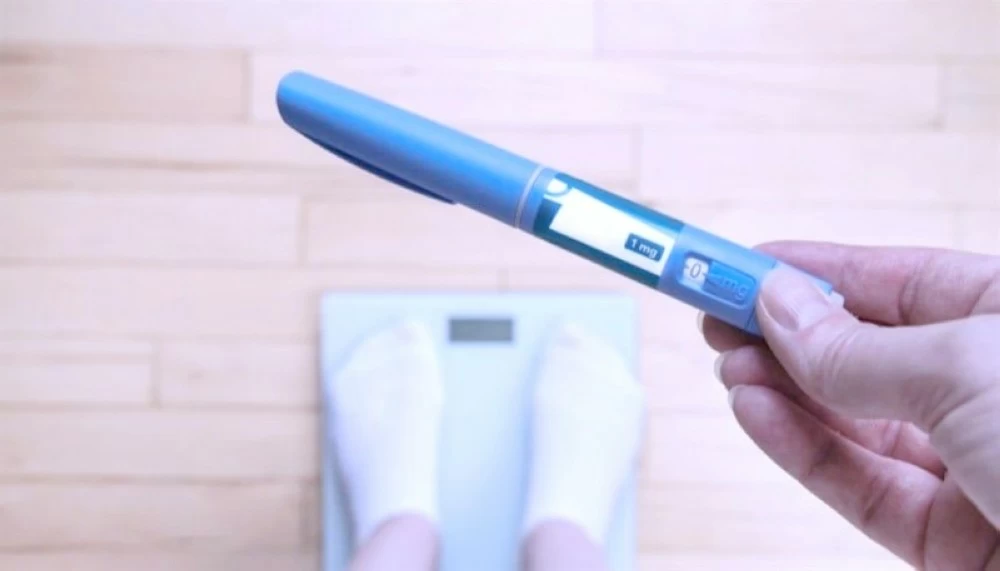
According to a medical report reported by the Metro website, sudden discontinuation of slimming drugs based on the GLP-1 hormone can lead to rapid regaining of lost weight if a well-researched transition plan is not followed under the supervision of a doctor.
Experts note that these drugs work by reducing appetite and regulating hunger signals in the brain, and that when the drugs are abruptly stopped, the body gradually reverts to old hormonal patterns, which increases food cravings and slows the rate of burning. Therefore, doctors caution against believing that medication-induced weight loss alone will produce lasting results.
Nutritional experts believe that the most dangerous stage begins after stopping treatment, since the body needs to retrain the balance between nutrition and behavior. Basic recommendations include increasing your protein intake to maintain muscle mass, planning your meal times, reducing your carbohydrate intake, and getting at least 150 minutes of regular physical activity per week. Sleep quality and stress management also play a vital role in preventing a return to emotional eating patterns.
The report confirms that medical follow-up is required for the first few months after discontinuation to monitor sudden changes in weight or appetite and adjust the nutritional plan according to the body’s response. Experts also advise adopting a long-term lifestyle rather than relying on quick-fix solutions, as lasting results are not just about medication but also changes in daily behavior.
A medical report reported by Metro shows that sudden discontinuation of weight loss drugs based on the GLP-1 hormone can lead to rapid regaining of lost weight if a carefully planned transition strategy is not followed under medical supervision.
Experts note that these drugs work by reducing appetite and regulating hunger signals in the brain. When stopped suddenly, the body gradually reverts to old hormonal patterns, increasing food cravings and slowing metabolic rate. Doctors therefore caution against the idea that drug-induced weight loss alone is sufficient to achieve lasting results.
Nutritional experts believe that the most dangerous stage begins after stopping treatment, as the body needs retraining to maintain a balance between nutrition and behavior. Key recommendations include increasing protein intake to maintain muscle mass, planning meal times, reducing carbohydrate intake, and getting at least 150 minutes of regular physical activity per week. Sleep quality and stress management also play an important role in preventing a return to emotional eating patterns.
Reports confirm that medical follow-up is essential during the first few months after discontinuation to monitor sudden changes in weight or appetite and adjust dietary plans according to the body’s response. Experts also advise adopting a long-term lifestyle rather than relying on stopgap solutions, as lasting results are not just about medication but also about changes in daily behavior.
