


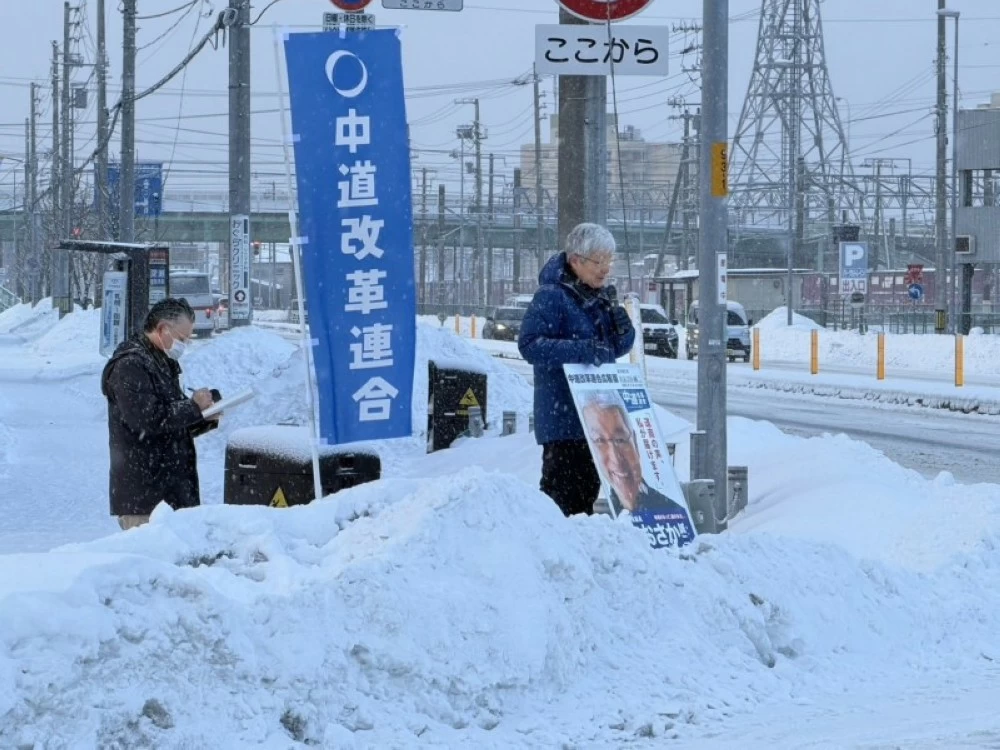
Japanese authorities announced today that at least 35 people were killed and about 393 people were injured, including 126 seriously, in the severe snowstorm that hit across Japan, according to data from the Fire and Disaster Management Agency.
Authorities said many of the casualties were caused by falls while removing snow from the roofs of houses, with some buildings collapsing under the weight of the snow, and snow falling from the roofs onto passersby.
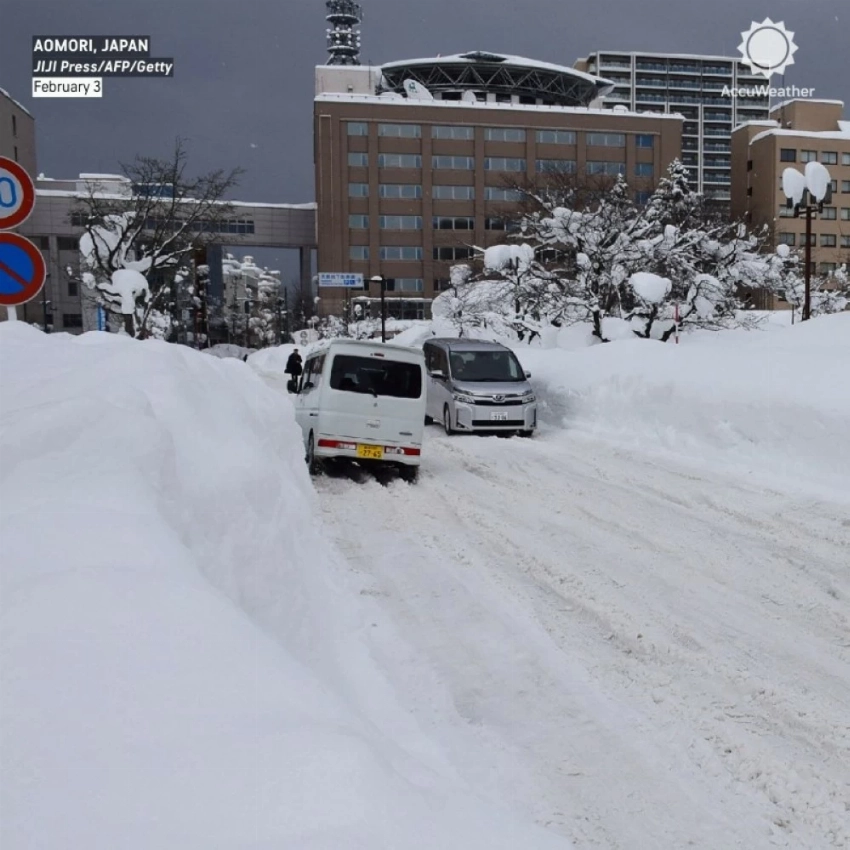
Northern and central Japan, centered on Aomori and Niigata prefectures, have experienced unprecedented snowfall of over 195 to 200 centimeters in some areas, making it the highest snowfall recorded in recent years.
The rains, which began around January 20, have almost completely paralyzed traffic, leaving isolated villages and remote areas, and forcing the closure of schools and public facilities. Rapidly rising temperatures in recent days have caused accumulated snow to melt rapidly, greatly increasing the risk of avalanches in mountainous areas, especially in the north.
Authorities warned residents that heavy wet snow could slide suddenly and with devastating force, urging residents to be extremely careful, stay off mountain slopes and avoid unnecessary travel.
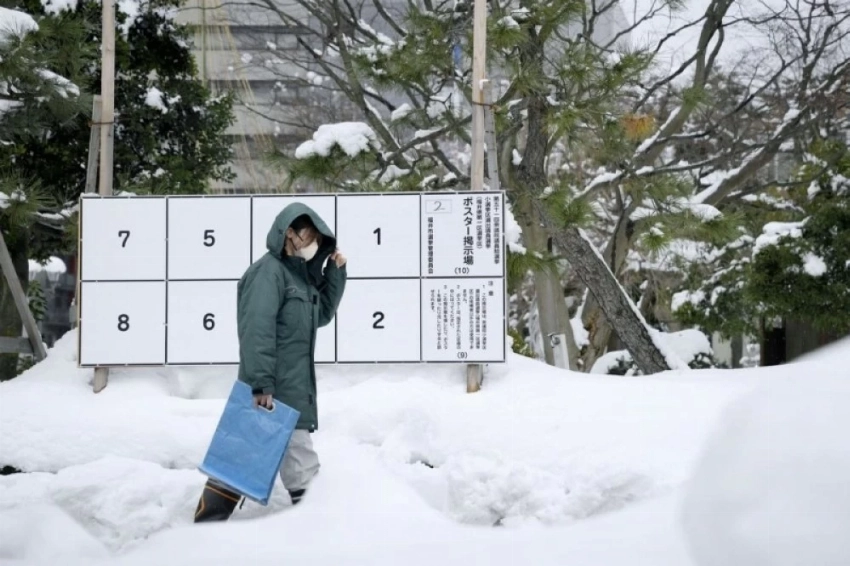
Authorities also urged the public to be careful when cleaning roofs and to be careful about snow accumulating on buildings, after reports of numerous deaths caused by falling huge snowflakes.
Every winter in Japan, cold air masses coming in from Siberia collide with ocean moisture, resulting in heavy snowfall, especially in coastal areas facing the Sea of Japan. In some areas, snowfall has exceeded record levels set decades ago, making this winter one of the harshest in years.
Rescue teams and the military are working to clear snow, clear roads and rescue besieged residents, while a state of emergency remains in several prefectures and the warning is expected to remain in place until the weather situation is fully stabilized, given continued temperature fluctuations that could further complicate the situation in the coming days.
Japanese authorities announced today that at least 35 people were killed and about 393 people were injured, including 126 seriously, in the severe snowstorm that hit across Japan, according to data from the Fire and Disaster Management Agency.
Authorities said many of the casualties were caused by falls while removing snow from roofs, with some buildings collapsing under the weight of the snow, and snow falling from roofs onto passersby.
In northern and central Japan, centered on Aomori and Niigata prefectures, some areas have received more than 195 to 200 centimeters of snow, the highest level on record in recent years.
The snowfall, which began around January 20, has almost completely paralyzed traffic and led to the closure of isolated villages, remote areas, schools and public facilities. Rapidly rising temperatures in recent days have caused accumulated snow to melt rapidly, greatly increasing the risk of avalanches, especially in mountainous areas in the north.
Authorities warned residents that heavy, wet snow could cause sudden and destructive slides, and urged residents to use extreme caution, stay away from mountain slopes and refrain from unnecessary travel.
He also urged the public to be careful when cleaning roofs and to be careful about snow accumulation on buildings, after several deaths were recorded due to large snowfalls.
Japan experiences strong snowstorms every winter, especially along the coast facing the Sea of Japan, due to the collision of cold air masses from Siberia and moisture from the sea. But this winter is believed to be the harshest in years, with some regions experiencing record amounts of snow in decades.
Rescue teams and the military are working to clear snow, clear roads and rescue trapped residents, but a state of emergency remains in place in several prefectures, and warnings are expected to remain in place until the weather situation is fully stabilized, as continued temperature fluctuations could complicate the situation in the coming days.
