

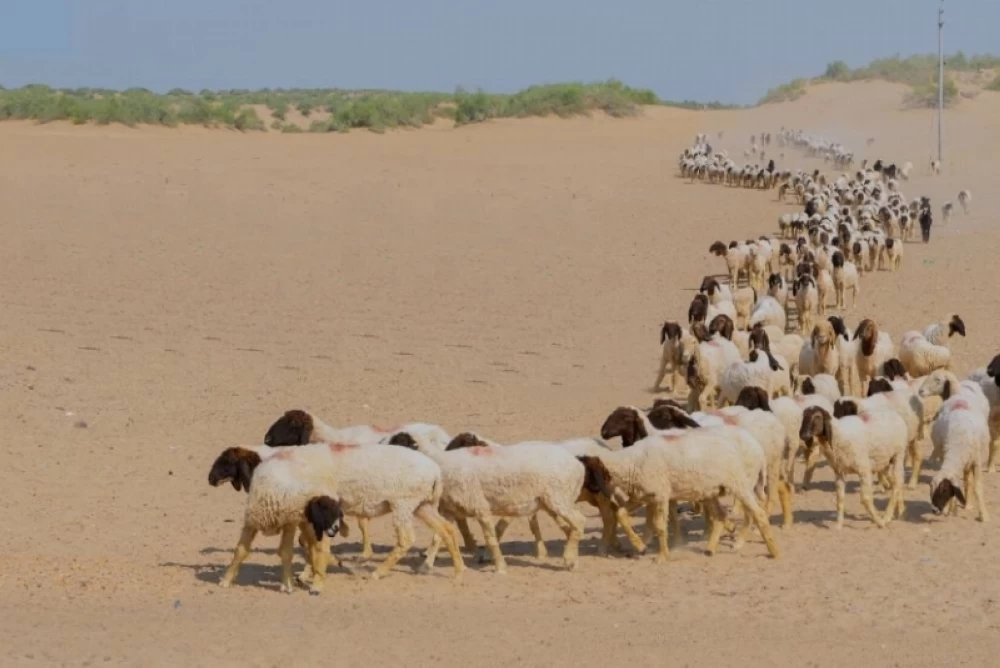
The Ministry of Environment has paved the way for the “return” of non-Saudi-owned camels and grazing livestock to their home countries. This measure aims to protect vegetation from overgrazing, in line with the Saudi Green Initiative.
According to a decision by the Environment Ministry, shepherds and livestock owners who were unable to leave early can now apply electronically to obtain a “permit to return.” The ministry warned people not to cross the border without prior reservation or approval. This regulation requires strict compliance with animal welfare systems. The Environment Ministry’s move follows previous campaigns to deport foreign livestock, digitize their remains and impose penalties and fines for indiscriminate grazing.
The Ministry of Environment, Water and Agriculture stressed the importance of striving to combat overgrazing phenomena by reducing them, strengthening on-the-ground monitoring activities and raising community awareness. Protect the Kingdom’s vegetation and increase the sustainability of its natural resources, in accordance with the goals of the Kingdom’s Vision 2030.
Grazing permit
The Ministry of Environment has intensified efforts to conduct on-site monitoring, organize the issuance of grazing permits, and implement regulations and penalties against violators, noting that fines for overgrazing in protected areas and areas not designated for grazing amount to 200 riyals per camel and cattle, and 100 riyals per head of livestock.
He explained that overgrazing in winter vegetation areas is one of the most prominent practices that negatively impact the Kingdom’s green cover area and can increase the rate of vegetation degradation. As a result of continued pressure on natural pastures, the ability of plants to regenerate is weakened and the rate of desertification is increasing in some areas.
The Ministry of Environment has paved the way for the “return” of camels and livestock owned by non-Saudis to their home countries. This measure aims to protect vegetation from overgrazing, in line with the Saudi Green Initiative.
According to the Environment Ministry’s decision, nomads and livestock owners who are unable to return home early can apply for a “return permit” electronically. The ministry warned against crossing the border without prior commitment or approval. This regulation requires full compliance with animal welfare legislation. The move by the Environment Ministry follows an earlier campaign to deport foreign livestock, digitize remaining livestock, and impose penalties and fines for indiscriminate grazing.
The Ministry of Environment, Water and Agriculture emphasized the importance of efforts to reduce and combat overgrazing phenomena by intensifying field monitoring efforts and increasing community awareness, in order to protect the Kingdom’s vegetation and increase the sustainability of natural resources in line with the goals of Vision 2030.
Grazing permit
The ministry has stepped up efforts to monitor the field, organize the issuance of grazing permits, and enforce regulations and penalties against violators, noting that fines for overgrazing in protected areas and areas not designated for grazing can reach 200 riyals per camel and cattle, and 100 riyals per head of livestock.
It is clear that overgrazing in winter vegetated areas is one of the most prominent practices that negatively impact Saudi green areas, weakening the ability of plants to regenerate and increasing desertification rates in some areas, as well as increasing the rate of vegetation degradation due to continued pressure on natural pastures.
