


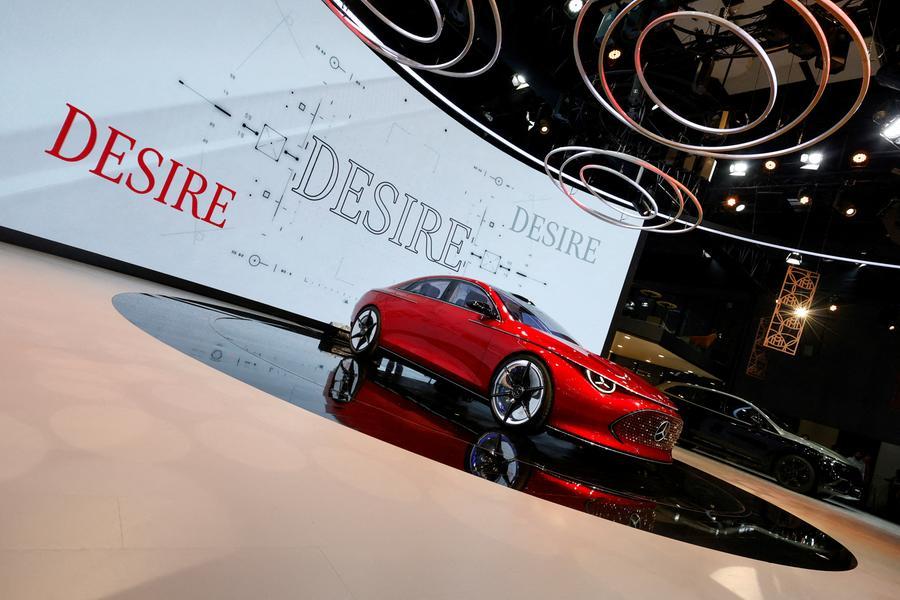
NEW DELHI: India will immediately cut tariffs on European luxury cars from up to 110% to 30% under a new trade deal with the European Union, opening up the tightly controlled market to luxury carmakers such as BMW and Mercedes-Benz, officials said. India and the European Union on Tuesday struck a long-delayed deal to lower tariffs on most items and boost trade, as governments around the world seek to circumvent the capricious policies of the United States and deal with growing trade tensions.
India is the world’s third largest automobile market in terms of sales volume, after the United States and China. But the country’s auto industry is the most protected in the world, with the government imposing tariffs of 70% to 110% on imported cars.
Most expensive European cars to benefit from biggest tariff cuts
Under the agreement, India agreed to gradually lower import duties to 10% on cars with an import value of more than 15,000 euros ($17,963), but details on how the reduction would be implemented were not made public.
However, a senior Indian government official said New Delhi had agreed to immediately reduce import duties on 100,000 conventional internal combustion engine vehicles a year, divided into three price categories.
For European cars with an import price of between 15,000 euros and 35,000 euros, customs duties will be reduced to 35% and annual imports will be limited to 34,000 cars, said the official, who requested anonymity because the deal still requires legal review.
The official said cars priced between 35,000 and 50,000 euros would be subject to a 30% tariff and imports would be limited to 33,000 cars a year. Additionally, 33,000 cars with a value of more than 50,000 euros will also be eligible for the 30% reduced tax rate.
The two highest price categories are expected to see the greatest tariff reductions. And the cap for all three categories will be raised to 160,000 units over 10 years, officials said.
India’s trade ministry did not immediately respond to a request for comment on the details of the agreement.
More Indians are developing a taste for luxury
Luxury cars accounted for less than 1% of the 4.4 million cars sold in India last year, even as more and more Indians opt for luxury, from expensive homes to watches and even bathroom fixtures.
Executives said the tariff cuts were unlikely to immediately lead to lower prices, but said they would allow the company to bring more vehicles to market.
Lower import duties should also be a boost for other European carmakers such as Volkswagen, Renault and Stellantis, which say increased trade will also facilitate technology transfer and supply chain sharing.
Local EV manufacturers will continue to be protected for the time being
Meanwhile, India also plans to cut import duties on 20,000 European-made electric cars to 30-35%, but only five years after the trade deal takes effect, officials said.
These tariff cuts will only apply to EVs priced above 20,000 euros to protect domestic companies such as Tata Motors and Mahindra.
Similar to internal combustion engines, tariffs on EVs will also be reduced to 10% over five years, and the annual import quota will increase to 90,000 units, the official added.
($1 = 0.8367 euros) (Reporting by Shivangi Acharya; Editing by Joe Bavia)
