

WINDHOEK: Namibia will not approve Total Energy and Petrobras’ purchase of offshore interests in the Lüderitz Basin announced last week until the oil companies follow the appropriate approval channels, a government official said on Sunday.
Presidential spokesperson Jonas Mbambo confirmed that “no transaction can be recognized or considered valid” until a formal application has been submitted and the prescribed statutory procedures have been completed.
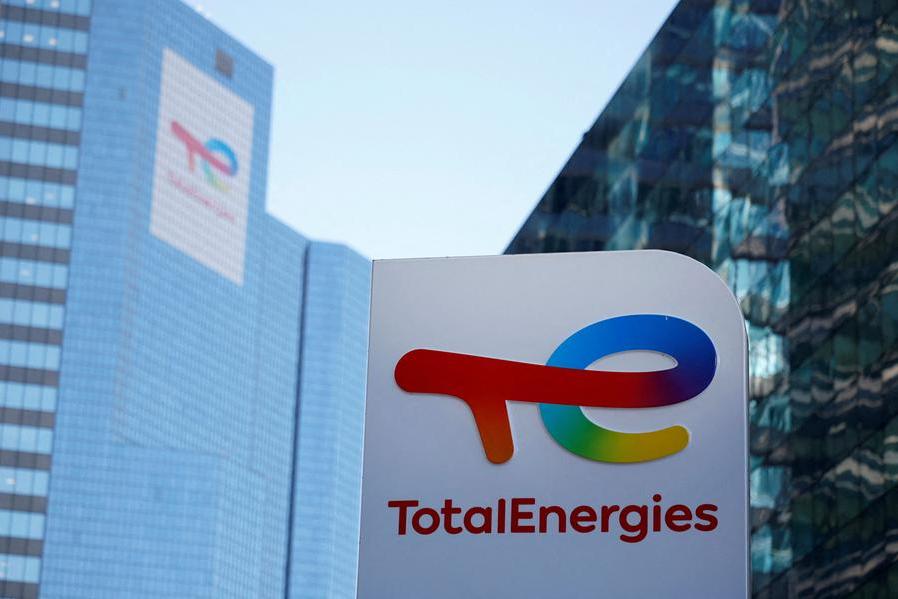
French oil giant Total Energy and Brazil’s Petrobras announced on Friday that they had each acquired a 42.5% stake in the PEL104 exploration license off the coast of Namibia, as the companies aim to develop oil in one of the world’s last exploration frontiers.
The acquisition from Maravilla Oil & Gas and Eight Offshore Investments Holdings marks the expansion of Total’s holdings in the southern African country, where the company hopes to produce its first oil by the end of 2020.
Ministry requires prior approval
The Ministry of Industry, Mines and Energy said in a statement on Sunday that it was not kept informed of the development status, as required by law, and was informed of the planned announcement of the deal “minutes” before it was announced.
“The government is clear that, in accordance with the law, prior ministerial approval must be obtained for any assignment, transfer or acquisition of participating interests in petroleum licenses in Namibia,” the statement said.
Total Energies said the deal requires approval from the Namibian authorities, including prior approval from the Minister of Energy.
Petrobras, which has partnered with Total Energy on Brazilian oil assets for more than a decade, also said the deal remains subject to local approvals and “will proceed in accordance with Namibia’s legal and regulatory requirements.”
New regulations in the energy sector
Members of the government’s proposed upstream oil unit did not respond, nor did Petroleum Secretary Maggie Sino.
Sunday’s statement comes as Namibia, a global exploration hotspot, aims to produce its first oil while introducing far-reaching regulatory changes that will impact the energy sector.
In addition to the new rules on locally sourced raw materials, recently appointed Energy Minister Modestus Amce introduced the Petroleum (Exploration and Production) Amendment Bill in the Office of the President last week, establishing a new regulatory authority for the upstream petroleum sector.
The bill, which was returned in December after criticism from opposition parties, seeks to modernize the sector’s legal framework, expand conflict of interest rules for staff and strengthen financial transparency, among other things.
The position of Petroleum Secretary will also be abolished. (Reporting by Nyasha Nyaungwa and Wendell Roelf; Additional reporting by Marta Nogueira and Gabriel Araujo; Editing by David Holmes and Diane Craft)
