

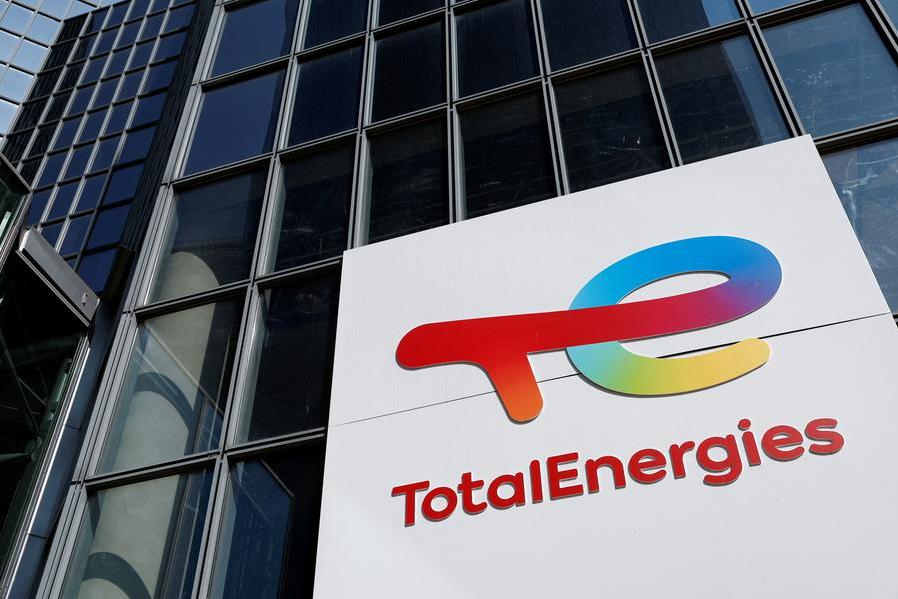
Mozambique and Total Energies on Thursday resumed development of the French energy giant’s $20 billion liquefied natural gas plant, nearly five years after it was halted following a deadly attack by Islamic militants.
Construction on this project was halted in 2021. But after some backers pulled out, Total Energy, which acquired additional capital from its partners, announced late last year that it was ready to resume work at the site in the northern province of Cabo Delgado.
Mozambican President Daniel Chapo and Total Energy CEO Patrick Pouyanne were scheduled to attend a ceremony to mark Mozambique’s reopening, the Mozambican government said.
“The resumption of the project…is an important milestone for the national economy and reaffirms the confidence of international partners in Mozambique’s energy, institutional and human potential,” a statement from Chapo’s office said.
Total confirmed the government’s announcement but did not provide further details.
Security has improved, but costs have increased
Security has improved in Cabo Delgado, especially with the special presence of Rwandan soldiers around the Afungi construction site. But although the Islamist insurgency has weakened, it remains smoldering.
The project has the capacity to produce 13 million tonnes of LNG per year and is expected to turn Mozambique into a major gas exporter and transform the poor African country’s economy once production begins in 2029. But the project faces security, financial and human rights issues that have scared off some investors.
In October, TotalEnergies sent a letter to Chapo estimating that the cost of the project had increased by $4.5 billion over the years it was on hold. The consortium said it is seeking a 10-year extension of the development and production period as partial compensation.
It is unclear whether the issue of these additional costs has been resolved after Chapo said Mozambique had “disputed” the amount.
TotalEnergies holds a 26.5% stake in the Mozambique LNG consortium. Japan’s Mitsui & Co. has a 20% stake, ENH has a 15% stake, and Bharat Petroleum, Oil India and ONGC Videsh have a 10% stake. Thailand’s PTTEP will hold the remaining 8.5% stake.
(Reporting by Custodio Cossa and Wendell Roelf; Additional reporting by Sfundo Parakozov in Johannesburg and America Hernandez in Paris; Editing by Alexander Winning and Joe Bavier)
