


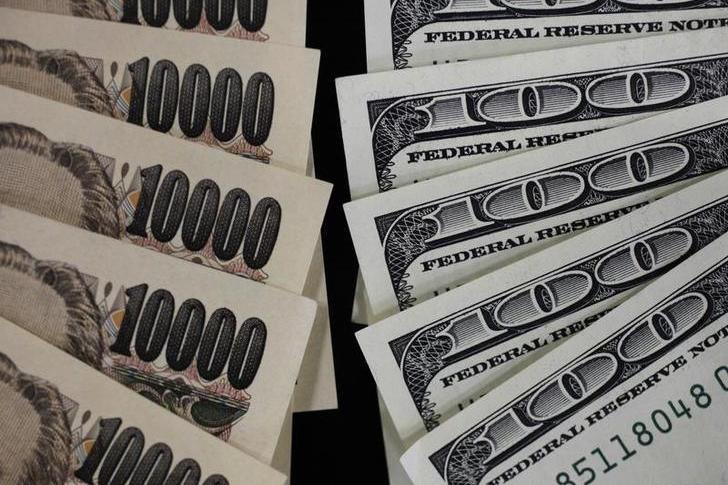
SINGAPORE: The dollar held steady on Wednesday as investors remained cautious after a swift end to a partial government shutdown, but the yen hovered near two-week lows ahead of what is shaping up to be an unexpected national election over the weekend.
Currency markets were still digesting U.S. President Donald Trump’s nomination of Kevin Warsh as the next head of the Federal Reserve, and the dollar was generally firm on expectations that Warsh is unlikely to push for rapid interest rate cuts.
Investors are also reassured that the appointment eases some concerns about the Fed’s independence after President Trump has consistently attacked the central bank and current Fed Chairman Jerome Powell.
The euro was firm at $1.1814 in early trade, while the pound was firm at $1.3693, ahead of Thursday’s policy meeting between the European Central Bank and the Bank of England. Both central banks are expected to hold interest rates steady.
The dollar index against six major currencies was 97.43, not far from Monday’s one-week high of 97.73. The index fell 1% in January after falling 9.4% last year.
Strategists at MFS Investment Management view Mr. Warsh as a pragmatic policy maker when it comes to setting interest rates.
“If Mr. Warsh continues to shrink his balance sheet in the future, it could ultimately put upward pressure on long-term interest rates. At the same time, however, his appointment could lead to lower inflation risk premiums,” they said in a note on Wednesday.
President Trump signed a spending deal late Tuesday that will end the partial U.S. government shutdown in four days. However, the important jobs report scheduled for Friday will be delayed due to the shutdown.
Japan’s elections attract attention
The yen was slightly weaker on Wednesday at 156.06 yen to the dollar, inching closer to its lowest level since Jan. 23, when it soared from 159.23 yen, as speculation that the New York Fed is investigating interest rates means it may intervene in the yen market.
The prospect of joint US-Japan intervention to boost the yen has largely lifted it from the brink, but its fate hangs in the balance ahead of Japan’s elections this weekend.
In the national election, Prime Minister Sanae Takaichi is seeking voter support for a new security strategy that is expected to increase spending, cut taxes and accelerate the strengthening of defense capabilities.
“A strong showing from the Liberal Democratic Party will give Mr. Takaichi the courage to pursue fiscal stimulus, increasing the risk that the government’s debt burden will increase and weighing on Japanese government bonds and the yen,” said Carol Conn, currency strategist at Commonwealth Bank of Australia.
Takaichi triggered a yen sell-off earlier this week after touting the benefits of a weaker currency in a campaign speech. Although he later walked back those comments, concerns persist that mixed signals from the prime minister could harm efforts to support fragile currencies.
The Australian dollar was at $0.7028 after surging 1% in the previous session on the Reserve Bank of Australia’s interest rate hike, with markets increasingly betting that further rate hikes will be needed this year. The New Zealand dollar fell slightly to $0.604.
(Reporting by Ankur Banerjee in Singapore; Editing by Christian Schmollinger)
