


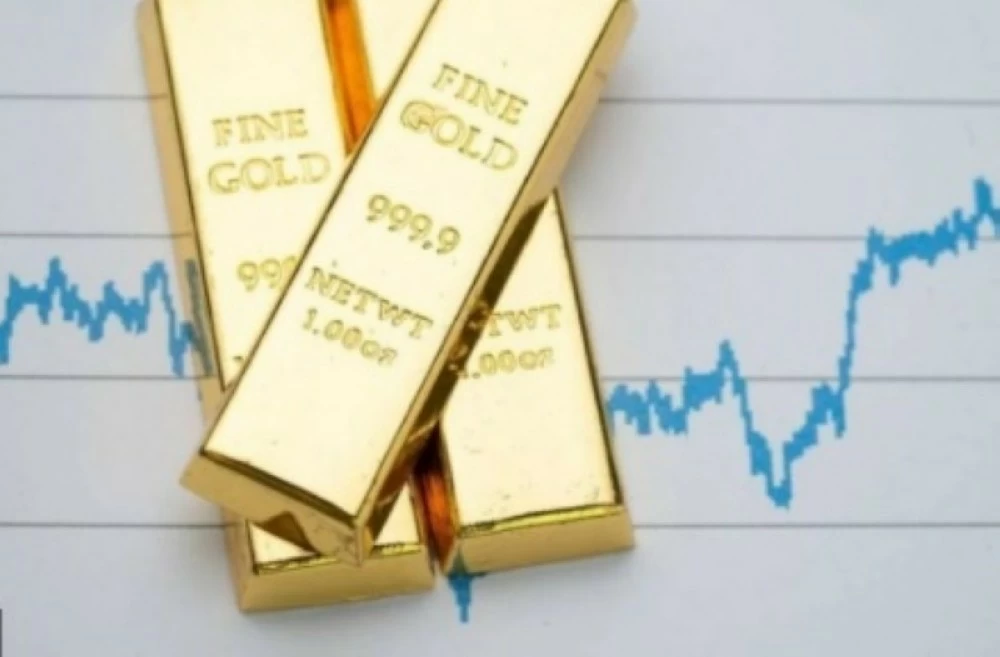
The gold and silver market witnessed a sharp and sudden decline, losing over $7.4 trillion in value in just a few minutes, shocking investors and traders across the world. After reaching record levels in the past few weeks, prices have plummeted, sparking widespread debate over the reasons for this sudden and historic decline and whether it was a natural result of market fluctuations and profit-taking manipulation, or whether it was a deliberate manipulation. This is according to what was announced by Al Arabiya.net.
profits and speculation
Some have described the event as one of the largest liquidity swings in history, while analysts blame profit-taking, speculative trading practices and global uncertainty for the plunge after prices reached record levels.
Many investors and analysts wondered if the sudden drop in gold and silver prices was the result of complete market manipulation. Experts say such sudden fluctuations could be caused by profit-taking, speculative trading, or concerted action by large investors.
rapid fluctuations
Analysts explained that smaller markets such as silver, platinum and palladium are more vulnerable to sudden fluctuations due to sudden cash flows than larger markets such as gold or the S&P 500 index. Although there is no official confirmation of tampering, the magnitude of the losses raises questions about the fairness and stability of the market and the need for regulatory review by relevant authorities.
“The rally in gold and silver has ended because prices rose too quickly,” Kathleen Brooks of the trading group said in a report published by the Economic Times.
record level
David Meagher, Director of Metals Trading, explained that investors took advantage of profit-taking opportunities to sell after precious metal prices hit record levels, even as both metals are on track to achieve their best month since the 1980s.
Guy Wolff added: “These metals are subject to very rapid fluctuations that can deviate from the actual demand for that metal.”
According to the report, the silver, platinum and palladium markets are smaller than gold and the S&P 500, making them more vulnerable to sudden fluctuations due to speculative activity.
There are several reasons why trillions of dollars have disappeared from the gold and silver markets, including profit taking after reaching record levels, speculative trading, and market reactions to geopolitical events and Federal Reserve decisions.
Gold and silver markets experienced sharp and sudden declines, wiping out more than $7.4 trillion in value in just a few minutes, shocking investors and traders around the world. After reaching record levels in recent weeks, prices have plummeted, sparking widespread debate about the reasons for this sudden and historic decline and whether it is a natural result of market fluctuations and profit-taking, or a deliberate manipulation. This was reported by the website “Al Arabiya.net”.
profits and speculation
While some have described the event as one of the largest liquidity swings in history, analysts have blamed profit-taking, speculative trading practices and global uncertainty for the plunge after prices reached record levels.
Many investors and analysts were questioning whether the sudden drop in gold and silver prices was the result of complete market manipulation. Experts said such sudden fluctuations could be due to profit-taking, speculative trading, or concerted action by large investors.
rapid fluctuations
Analysts explained that smaller markets such as silver, platinum and palladium are more susceptible to sudden fluctuations due to sudden cash flows than larger markets such as gold or the S&P 500. Although there is no official confirmation of manipulation, the scale of the losses raises questions about the fairness and stability of the market, as well as the need for regulatory review by relevant authorities.
“The rally in gold and silver is over because prices rose too quickly,” Kathleen Brooks of the specialist trading group said in a report published by the Economic Times.
record level
David Meagher, Director of Metals Trading, explained that the decline occurred after precious metals prices reached record levels as investors seized the opportunity to lock in profits, even though precious metals prices still had their best month since the 1980s.
Guy Wolff added: “These metals are subject to very rapid fluctuations and can deviate from actual metal demand.”
According to the report, the silver, platinum and palladium markets are smaller than gold and the S&P 500, making them more vulnerable to sudden fluctuations due to speculative activity.
Trillions of dollars have disappeared from the gold and silver markets for several reasons, including profit taking after reaching record levels, speculative trading, and market reactions to geopolitical events and Federal Reserve decisions.
