

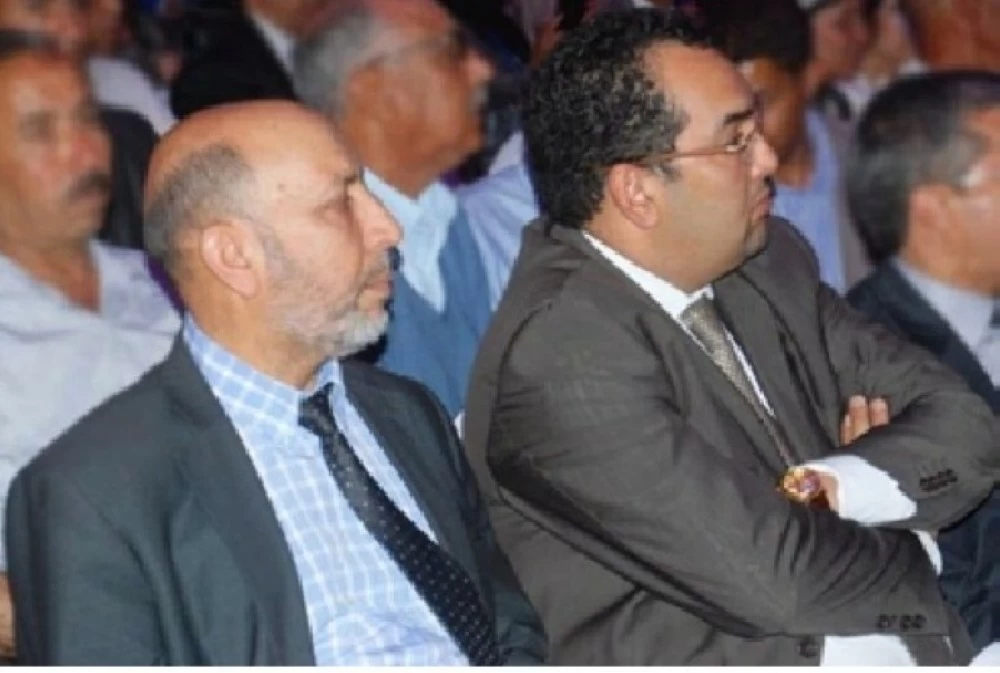
Marrakech’s Court of Appeal has brought an end to the most high-profile public finance case related to the World Climate Conference (COP22), after the Criminal Chamber of First Instance responsible for financial crimes sentenced former Marrakech mayor Mohamed Larbi Belkaid and former first deputy and former member of parliament Younes Benslimane to two years in prison, in addition to a fine and state-favorable compensation, respectively.
The court fined each of the defendants 20,000 dirhams and ordered them to pay civil compensation of 4 million dirhams in favor of the Moroccan state, due to serious imbalances in the management of public transactions concluded during the preparations for the 2016 UN climate conference.
Chapters in the case date back to a complaint filed in 2017. The complaint raises suspicions regarding the conclusion of approximately 50 negotiated deals totaling approximately AED 280 million, which were passed without going through the legal request for offers process under the pretext of the urgency of holding the COP 22 conference.
Investigations carried out by the regional division of the Moroccan Judicial Police between 2017 and 2021 found violations related to the management of public funds and the exploitation of influence before defendants could be referred to judicial institutions if released.
In October 2022, the court issued a preliminary judgment acquitting the former mayor and sentencing the deputy mayor to a suspended sentence of one year in prison, a decision that was upheld on appeal in May 2024.
However, the Court of Cassation intervened in July 2025 and, considering that the decision was marred by flaws in reasoning, decided to revoke the previous judgment and remand the file in a new form to the Court of Appeal, where the file was reopened again and ended with the current prison sentence.
The two former officials were charged with wasting public funds, exploiting influence and obtaining illegal benefits. The case is considered one of the most high-profile judicial cases affecting collective personnel, in the context of the coordination of transactions related to major international events.
This judgment refocuses the issue of public money management during critical events and sends a firm message about linking responsibility and responsibility to accountability, regardless of position or context.
Marrakech’s Court of Appeal has ended one of the most high-profile public finance cases related to the World Climate Conference (COP22) after the criminal court responsible for financial crimes sentenced the city’s former mayor, Mohamed Al-Arabi Belkaid, and former First Deputy and former Member of Parliament Younes Benslimane, each to two years in prison, a fine and state compensation.
The court fined each defendant 20,000 dirhams and obligated the Moroccan state to pay civil compensation of 4 million dirhams, alleging gross irregularities in the management of public contracts signed in preparation for the 2016 UN climate conference.
The case dates back to charges filed in 2017. The complaint alleges the conclusion of approximately 50 free contracts totaling nearly Dh280 million, submitted without a legal tender procedure, under the pretext of urgency related to the holding of the COP 22 conference.
Investigations carried out by the local judicial police from 2017 to 2021 revealed violations related to public management and abuse of authority before the funds were transferred to the court even though the defendant remained free.
The court issued a preliminary judgment in October 2022 that acquitted the former mayor and sentenced the deputy mayor to a suspended sentence of one year in prison, a decision that was upheld on appeal in May 2024.
However, the Court of Cassation intervened in July 2025, revoking the previous judgment and remanding the case to the Court of Appeal with a new panel, citing flaws in the reasoning in the judgment, reopening the case and ending with the current sentence of actual imprisonment.
The two former officials were charged with embezzlement of public funds, abuse of power and illegally obtaining benefits, and the case is considered one of the most high-profile cases involving local government officials over the management of contracts related to major international events.
This judgment draws renewed attention to the management of public funds during critical events and sends a strong message about linking responsibility and responsibility to accountability, regardless of position or situation.
