

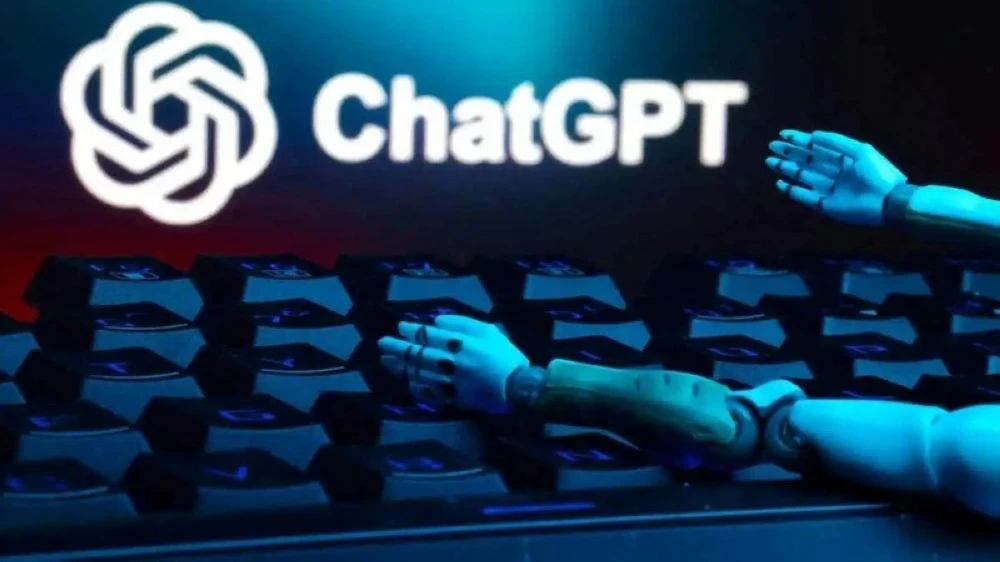
A provocative report published by Politico magazine revealed an incident that shocked U.S. government officials after Madhu Gottmukara, interim director of the U.S. Cybersecurity and Infrastructure Security Agency (CISA), uploaded confidential contract documents to the public version of the ChatGPT application, sparking security alerts and widespread concern within the agency.
The report said that even though ChatGPT was prohibited to U.S. Department of Homeland Security employees, Gutmukkala received exceptional and temporary permission to use the tool, but the way he used the application triggered a security alert system designed to monitor for possible leaks of sensitive government material.
Politico explained that while the uploaded documents were not officially classified, they were labeled “for official use only,” making them classified information that is not allowed to circulate publicly, while all data uploaded to the public version of ChatGPT will be made available to OpenAI for use within its artificial intelligence models.
After cybersecurity services repeatedly monitored the download last August, its use triggered an internal review to assess the extent of the potential damage to U.S. government security.
In an official response, Marcy McCarthy, director of communications for the Cybersecurity Agency, revealed that Mr. Gotumkala had received short-term, limited authorization to use ChatGPT within the agency’s purview, highlighting the agency’s commitment to embrace artificial intelligence in accordance with President Donald Trump’s executive order to support U.S. leadership in this area.
However, the Politico report also revealed contradictory internal emails showing that Gotomkala last used the app in July 2025 under a temporary exception, which remains off-limits to all employees by default unless an official exception is granted.
The incident raises questions about the security of sensitive data in government agencies and the degree of control they have over the use of artificial intelligence tools relied on by millions of users around the world.
An exposé published by Politico revealed an incident that shocked U.S. government officials after Madhav Goutumkara, acting director of the Cybersecurity and Infrastructure Security Agency (CISA), uploaded confidential contract documents to the public version of the ChatGPT application. The action prompted security alerts and widespread concern within the department.
The report said that even though ChatGPT was banned for employees of the U.S. Department of Homeland Security, Goutamkara was given exceptional and temporary permission to use the tool. However, the way he used the application triggered a security alert system designed to monitor for possible leaks of sensitive government material.
Politico revealed that while the uploaded documents are marked “official use only” and are classified information that should not be circulated publicly, all data uploaded to the public version of ChatGPT will be made available to OpenAI for use in its AI models, while not officially classified, Politico revealed.
The use prompted an internal review to assess the potential damage to U.S. government security after cybersecurity agencies detected repeated uploads over the past month of August.
In an official response, Marcy McCarthy, director of communications for the Cybersecurity Agency, revealed that Goutamkara had received short-term and limited permission to use ChatGPT under the agency’s control, and affirmed the agency’s commitment to employing artificial intelligence in accordance with President Donald Trump’s executive order to support U.S. leadership in this area.
However, Politico’s report also revealed internal emails that contradict this, indicating that while Mr. Gutamkara last used the app in July 2025 and received a temporary exemption, the app remains banned by default for all employees unless a formal exemption is granted.
The incident raises questions about the security of sensitive data in government agencies and the level of oversight over the use of artificial intelligence tools relied on by millions of users around the world.
